

Car Detailing Methods: What It Is and How It's Done
People use "detailing" to mean everything from a good wash to a full paint restoration, so it's a fair question to ask what it actually involves. The way I like to explain it is simple: a wash cleans the car, and detailing looks after it. What follows is the whole method, the way we work through it, so you can see what's going on and which parts your car genuinely needs.
What car detailing actually is
Car detailing is the careful, thorough version of cleaning a car. A wash gets the surface clean. Detailing goes further: it lifts the contamination a wash leaves behind, corrects the paint itself, restores the inside, and adds a layer of protection so all of that lasts. The word stretches across a whole spectrum, from a quick maintenance detail through to a full cut and polish with a ceramic coating.
The big thing, though, is the order. Each step sets up the next, so doing them in the right sequence with the right product is what separates detailing from just scrubbing a car for longer. Wash before you correct, correct before you protect. Nine times out of ten, when someone's home job hasn't lasted, it's because the order got muddled and they undid their own work, if that makes sense.
The exterior methods, in order
The outside is where most of the real method lives. It runs in three stages: get it properly clean, fix the paint, then seal it in.
1. A safe wash and decontamination
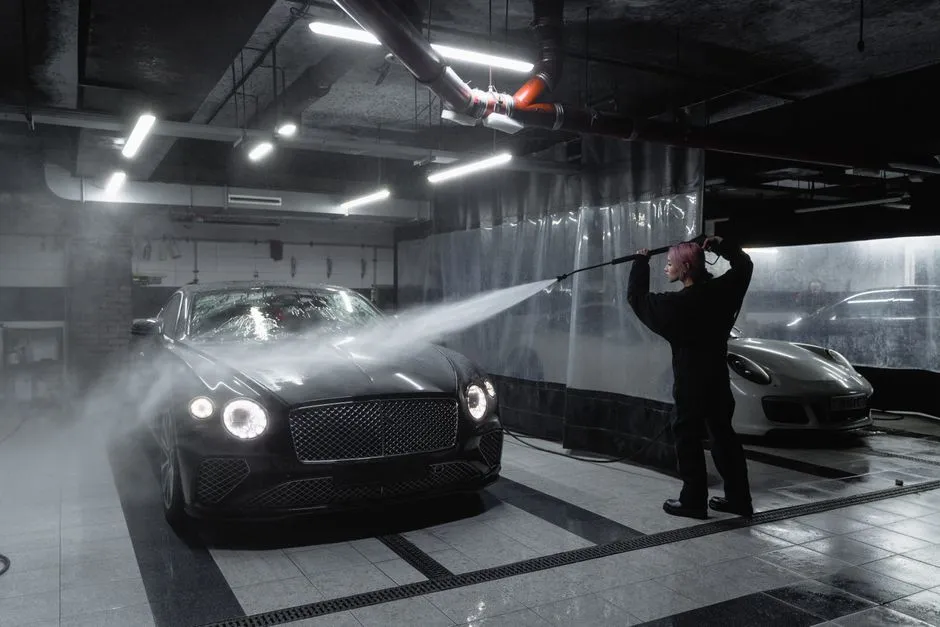
The wash itself is built around one idea: lift the dirt off the paint rather than grind it in. We pre-rinse to float off the loose grit, lay a snow foam to soak and soften the grime, then hand wash with two buckets so the mitt never turns into sandpaper. After that comes the bit people skip at home, the decontamination. A clay bar and an iron remover pull out the bonded muck a wash can't shift, the rough specks you can feel when you run a hand over washed paint. Skip this and you just polish the grit into the clear coat later.
2. Paint correction (the cut and polish)
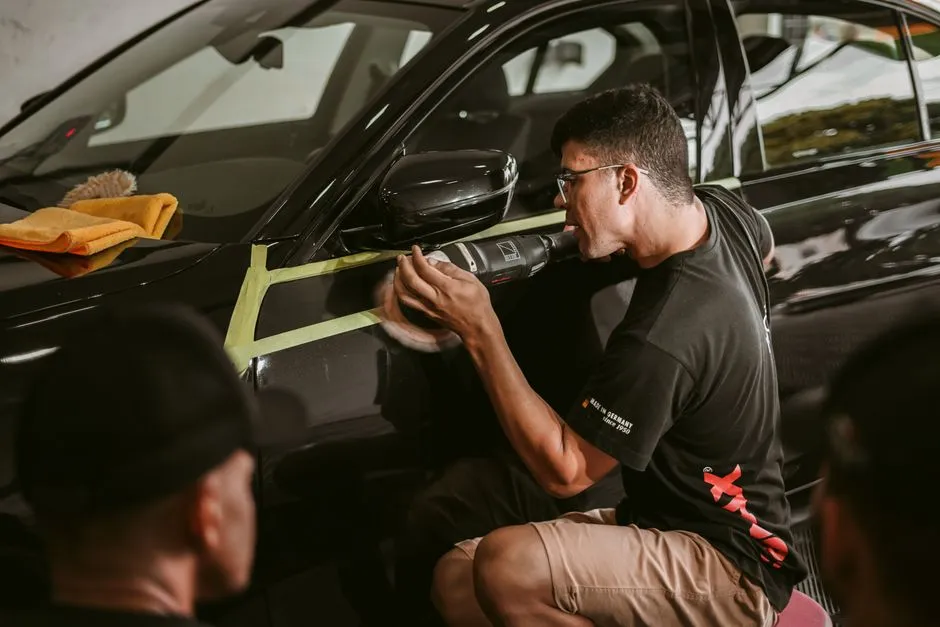
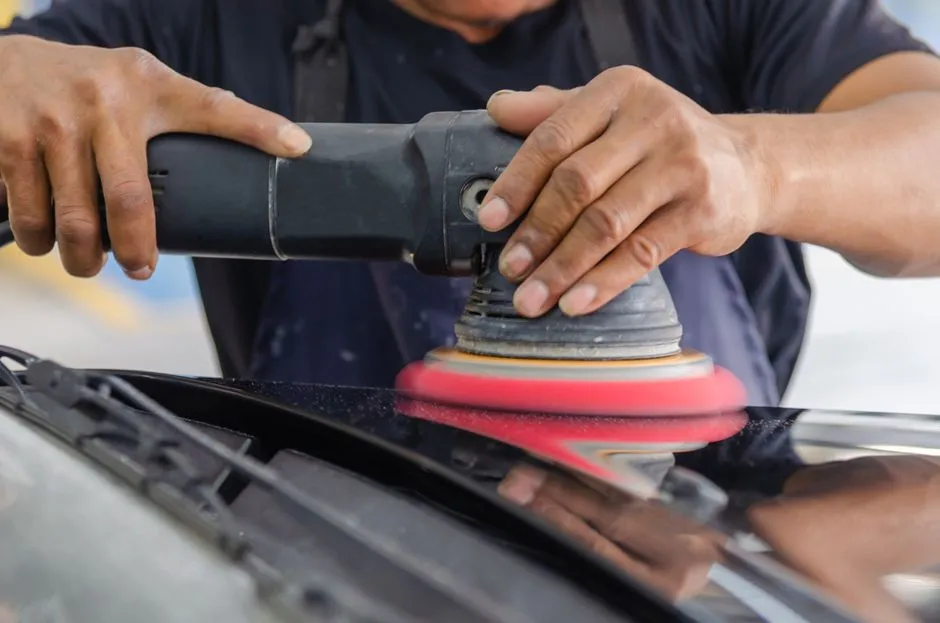
This is the big one, and it does the most of any step. A machine polisher and a cutting compound shave a microscopically thin layer off the clear coat to level out the swirl marks, scratches and oxidation sitting in it. Think of it like sanding a scuffed timber bench back to smooth, except we're working in thousandths of a millimetre. Done well, the haze and cobwebbing lift out and the colour comes back with real depth. Get it wrong, though, and you can go through the clear coat, which is the one thing we'd gently talk most people out of doing themselves at home.
3. Protection
Fresh, corrected paint has nothing on it, so the last exterior step is sealing it. That's a wax for a few weeks, a sealant for a few months, or a ceramic coating for years. In a place like Cairns, with the UV and salt air working on your paint daily, the protection step is the one that earns its keep, because it's what stops the whole job undoing itself by next summer.
The interior methods
The inside is its own process, and on a lived-in car it's often the bigger job. It runs through a full vacuum, then a hot-water extraction that pulls grime and moisture out of the fabric and carpet rather than just wiping the top. Steam sanitises the hard surfaces and gets into the vents and seams. Leather gets cleaned and conditioned so it doesn't dry out and crack, and the glass is done last so it's not re-fogged by everything else. Up here that extraction and steam matter more than most places, because the humidity turns any trapped damp into mould in a carpet within weeks.
What a car detailer actually does
A detailer's real job is judgement as much as elbow grease. The work is to look at your paint and interior, work out which of these methods the car needs and which it doesn't, then carry them out properly. As the owner I quote and vet every job myself, and the team does the hands-on work, but the part that matters to you is the same either way: someone who knows what they're looking at and will tell you straight. A good detailer will talk you out of a step you don't need as quickly as they'll recommend one you do.
The products and tools behind it
The kit is less exciting than people expect, and honestly the products matter less than the method. The core of it:
- Washing: a pH-neutral shampoo, snow foam, two buckets and a soft wash mitt.
- Decontamination: a clay bar and an iron remover.
- Correction: a dual-action machine polisher, cutting and finishing compounds, and a stack of microfibre cloths.
- Interior: a hot-water extractor, a steamer, and leather cleaner and conditioner.
- Protection: a sealant or a ceramic coating.
You could buy all of it. The polisher and the extractor are the ones that take practice to use without doing damage, which is usually where a professional is worth the money.
What you can do yourself
I'm not going to pretend you need us for everything. A safe hand wash and a regular interior tidy are well within reach at home, no worries, and doing those consistently is honestly the single most valuable thing you can do for your car. Where it's worth handing over is the machine work. Paint correction and ceramic both go wrong easily without the right gear and a bit of practice, and fixing a mistake there costs more than the job would have. So the split is simple: do the upkeep yourself, and get a detailer for the heavy steps and the occasional full reset.
Roughly what it costs
Because the word covers so much, the price does too. Across Cairns a maintenance detail runs from about $150, a full interior from around $275, and a full "ultimate" detail from the high five hundreds. A ceramic coating starts from around $1,000. Where you land comes down mostly to your car's size and condition, so it's worth reading the full cost guide if you want the detail, or you can see exactly where we sit on our price list.
Questions we get asked a lot
What is car detailing?
The deep, methodical version of cleaning a car. A wash gets the surface clean; detailing decontaminates and corrects the paint, restores the interior, and adds protection so it lasts. It's a series of steps done in the right order so nothing undoes the step before.
What's the difference between a wash and a detail?
A wash gets the car clean for the week. A detail gets it back as close to new as the paint allows and keeps it there — safe wash, decontamination, a machine cut and polish, protection on top, and a full interior reset. One is maintenance, the other restoration.
What does a car detailer actually do?
They assess the paint and interior, pick the right methods for that car, and carry them out — from a safe wash through to correction, ceramic and interior extraction. A good one also tells you honestly which steps your car needs and which it doesn't.
What products do car detailers use?
A pH-neutral shampoo, snow foam, a clay bar, machine polish with a dual-action polisher, microfibre cloths, a hot-water extractor and steamer, leather cleaner and conditioner, and a sealant or ceramic. The method matters more than the brand.
Can I detail my own car?
The wash and a regular interior tidy, absolutely, and doing them well is the best thing going for your paint. The machine work — correction and ceramic — is where a professional is worth it, because both go wrong easily without the right gear.
How long does a full detail take?
A mini detail is an hour or two; a full detail with a cut and polish runs most of a day; a ceramic coating is a day or more once you count prep and cure time. Bigger, dirtier vehicles take longer.

Not sure which methods your car needs?
Send us a photo of your car and we'll tell you honestly what it needs and what it doesn't. Mobile across Cairns, no pressure either way.
Call 0401 907 474